Alpine Root Knowledge
Exploring root-derived compounds and daily wellness in the context of maturity
Wellness in Maturity Phase
Natural age-related changes occur in men's daily condition past age 40. Understanding these changes within broader wellness contexts—including nutrition, movement, rest, and general lifestyle—provides a foundation for informed personal decisions. This educational resource explores how traditional knowledge about root-derived compounds and modern understanding of daily habits intersect in supporting overall wellness.
Rather than seeking specific outcomes, this resource aims to explain the role of various factors in maintaining general wellbeing. Each individual's approach to wellness is unique, influenced by personal circumstances, preferences, and health status.
Root-Sourced Nutrients
Understanding the role of key compounds found in root systems
Inulin
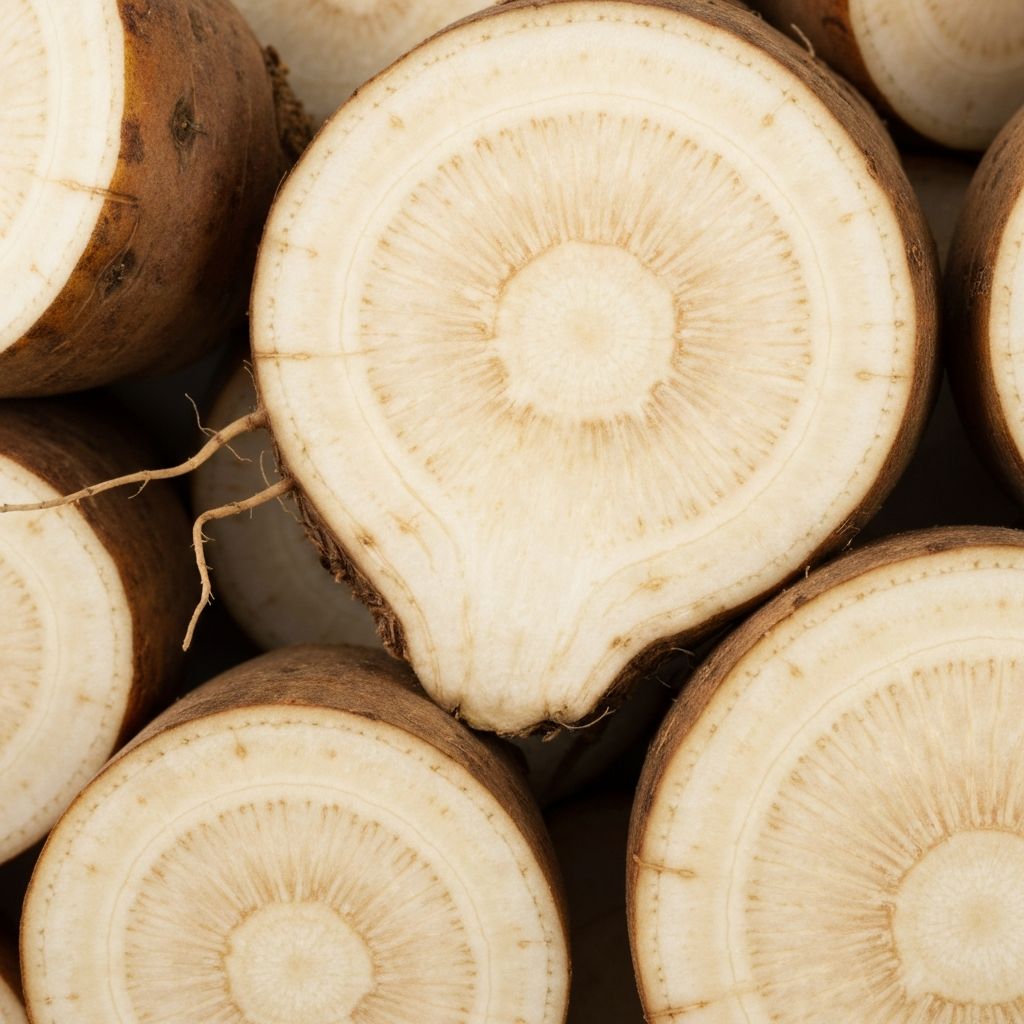
Inulin is a type of soluble fiber found naturally in many root plants. It plays a role in general nutrition as a prebiotic, supporting diverse gut microbiota. Present in roots like chicory and dandelion, inulin represents a traditional dietary component across many cultures.
Essential Oils & Aromatic Compounds
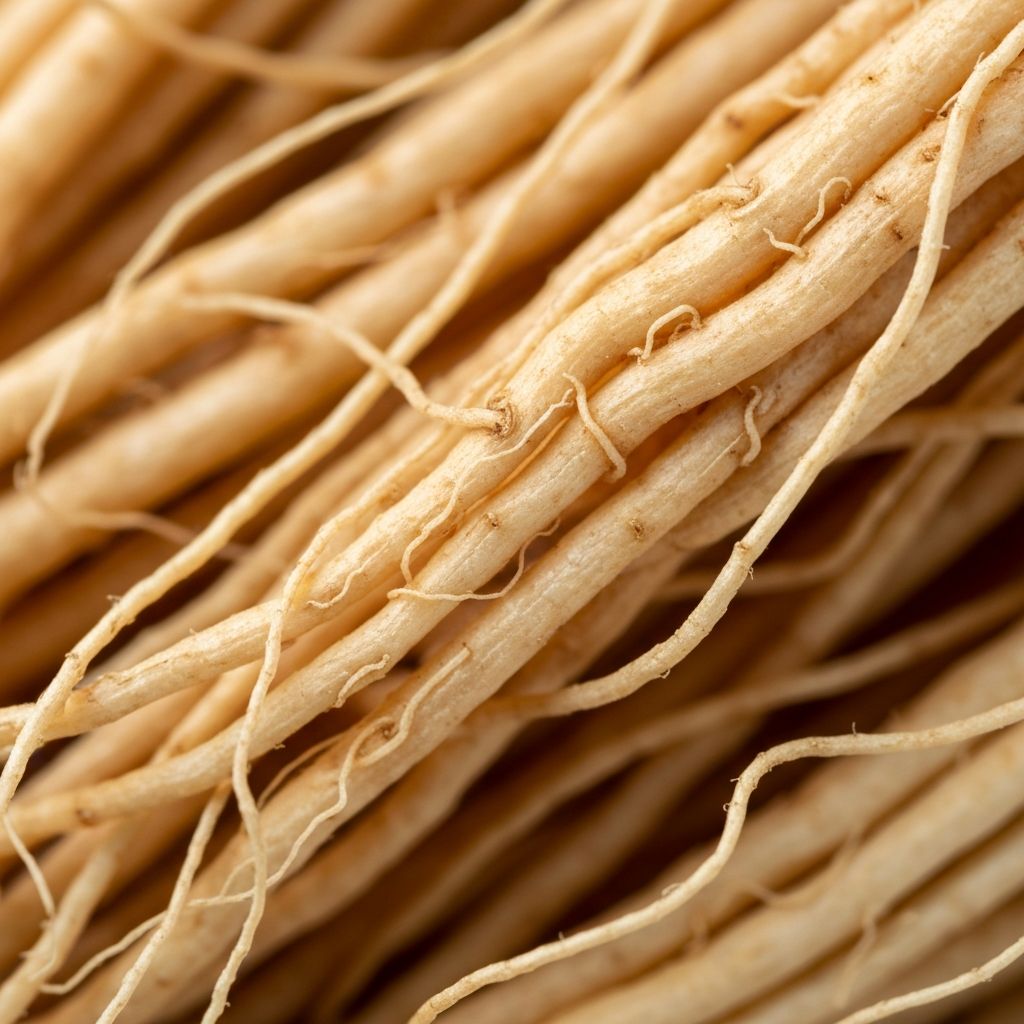
Root plants produce complex aromatic compounds with distinctive properties. These natural essential oils have been studied for various applications and remain central to traditional herbal practices across European and Alpine regions.

Polysaccharides
Polysaccharides are complex carbohydrates present throughout root systems. They contribute to the structural integrity of plant tissue and play roles in general immune and metabolic function through their presence in everyday nutrition.
Alpine Root Traditions
Historical context of mountain root practices
Alpine regions have maintained rich traditions of root harvesting for centuries. Mountain communities developed deep knowledge of local flora, recognizing specific plants by season and elevation. This traditional practice reflects both ecological awareness and cultural continuity.
The practice of harvesting alpine roots represents more than utility—it embodies a relationship with the natural landscape. Traditional practitioners understood timing, proper harvesting techniques, and sustainable collection methods, knowledge passed through generations.

Harvesting Heritage
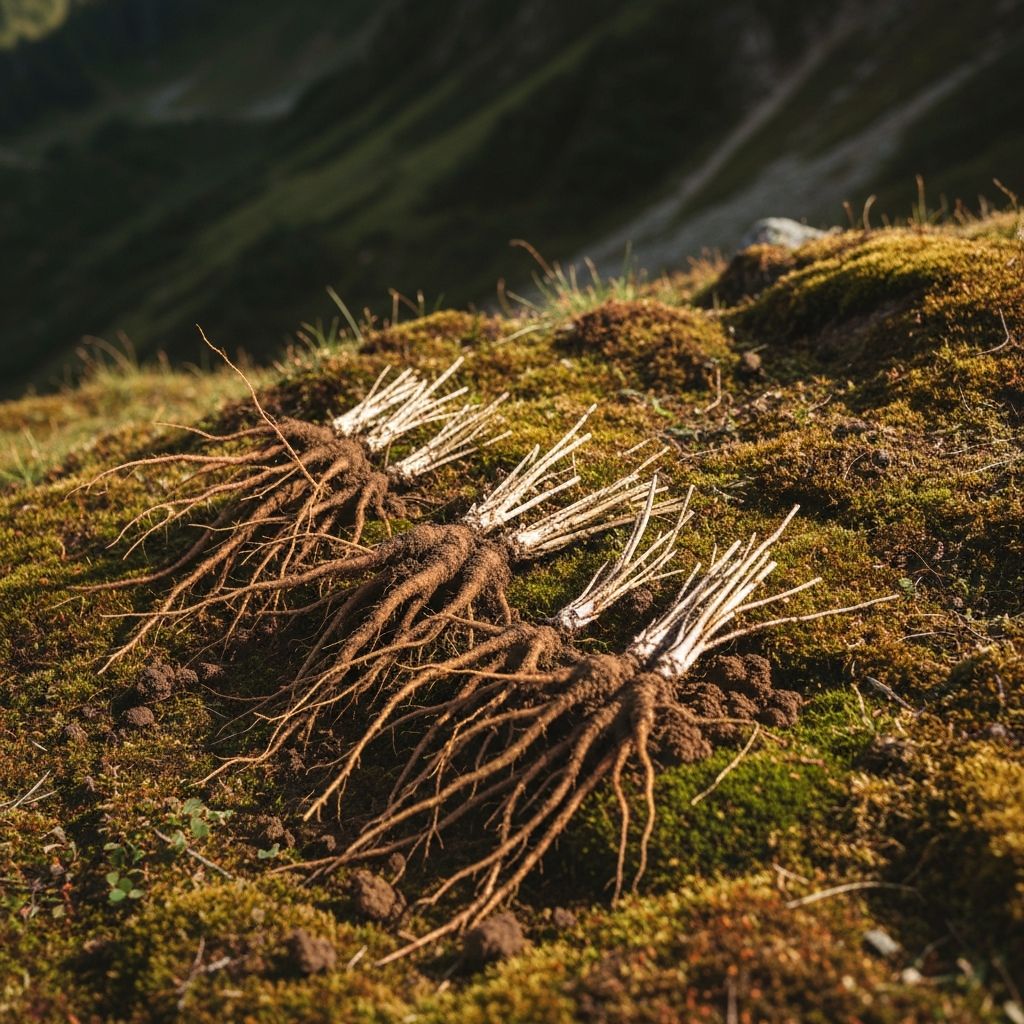
Proper harvesting techniques ensure both plant sustainability and root quality. Traditional Alpine practices emphasize careful excavation, timing aligned with seasonal root maturity, and responsible collection that preserves plant populations.
Modern understanding of these practices reveals sophisticated ecological knowledge. Seasonal timing, part-harvesting methods, and preservation techniques reflect deep understanding of plant biology and landscape stewardship.
Restorative Rest Cycles
Sleep and rest represent fundamental aspects of human wellness across all age groups. Scientific research emphasizes the universal importance of sleep cycles for cognitive function, immune health, and metabolic regulation—factors particularly relevant for men in their mature years.
Natural sleep patterns follow circadian rhythms influenced by light exposure, physical activity, and consistent routine. Understanding these patterns supports better sleep quality without requiring specific interventions.

Grounded Movement

Walking on varied, natural terrain engages multiple muscle groups and requires constant micro-adjustments for balance. Alpine regions with uneven ground, rocks, and natural obstacles provide ideal environments for such movement.
The practice of walking on natural surfaces differs from smooth, paved paths. The engagement with irregular terrain strengthens stabilizer muscles, improves proprioception, and connects movement with the natural environment—a principle underlying many traditional wellness practices.
Root Bioactive Compounds
Simple overview of common substances in root systems
Saponins
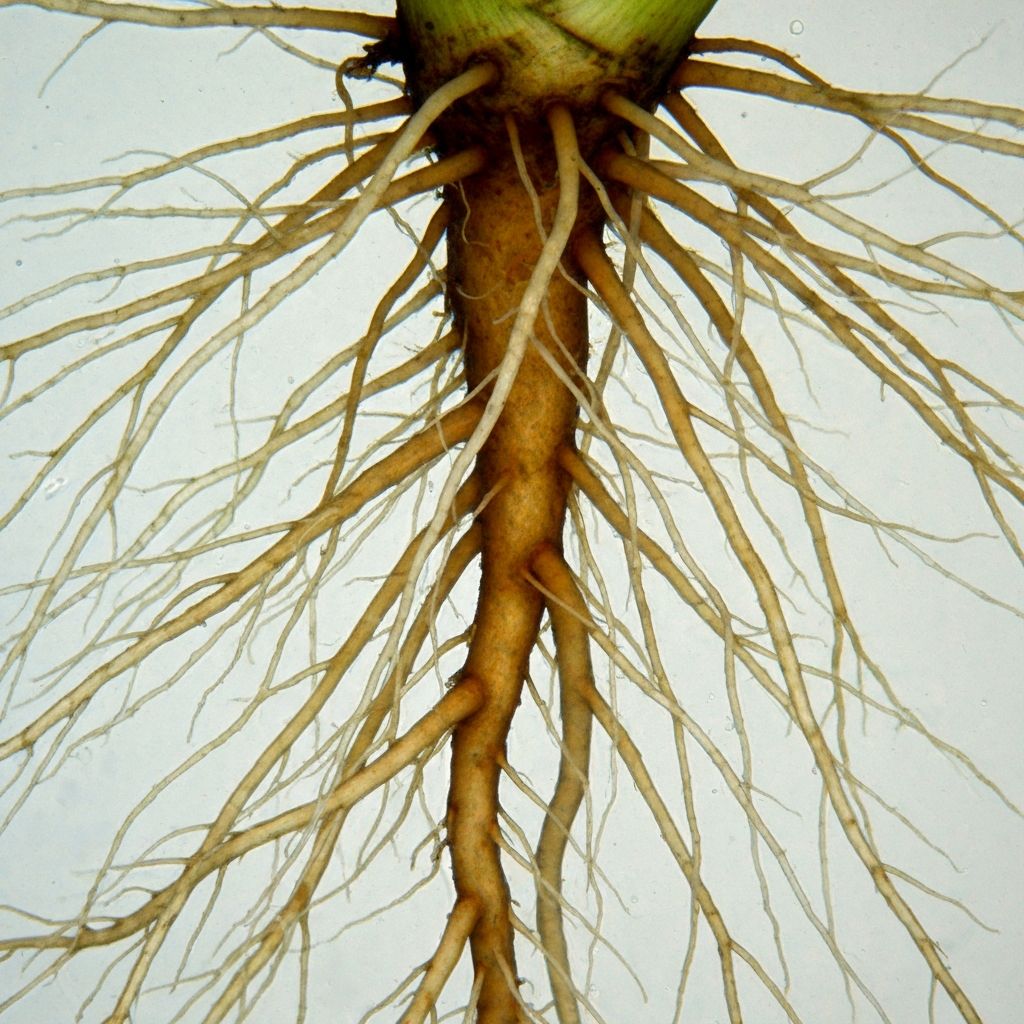
Natural compounds found in many root plants, saponins have been traditionally used and studied for their properties. They contribute to the bitter taste and diverse effects documented in traditional herbalism.
Flavonoids
Plant phenolic compounds present in root systems, flavonoids are recognized for antioxidant properties. Found across plant-based foods, they represent one category of compounds contributing to general nutritional value.
Alkaloids
Nitrogen-containing compounds in plants with diverse properties, alkaloids have been subject of traditional use and modern research. Present in many medicinal root plants, they warrant scientific attention and proper understanding.
Nutrient Source Comparison
Dietary diversity through traditional foods
| Nutrient Category | Root-Rich Diets | Standard Diets | Notes |
|---|---|---|---|
| Fiber Content | High (inulin, mucilage) | Variable | Roots offer concentrated fiber sources |
| Mineral Density | Elevated iron, magnesium | Moderate | Root systems accumulate soil minerals |
| Phytonutrient Diversity | Multiple classes present | Limited range | Alpine roots show high complexity |
| Carbohydrate Profile | Complex polysaccharides | Simple sugars often | Slow energy release from roots |
Key Alpine Roots Library
Educational overview of traditional alpine root plants
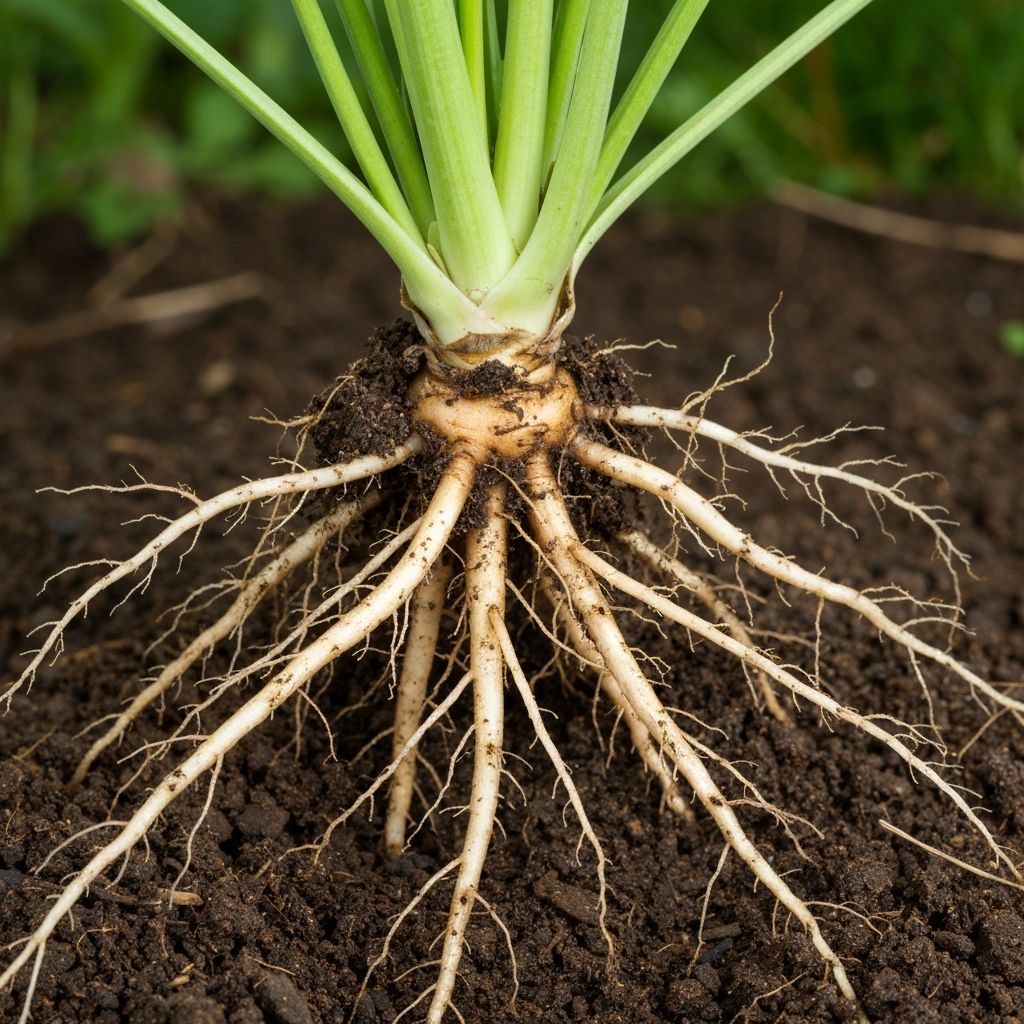
Valerian Root
Valeriana officinalis, a European alpine plant known for its root system, has been used traditionally for rest support. Modern research continues to examine its properties.
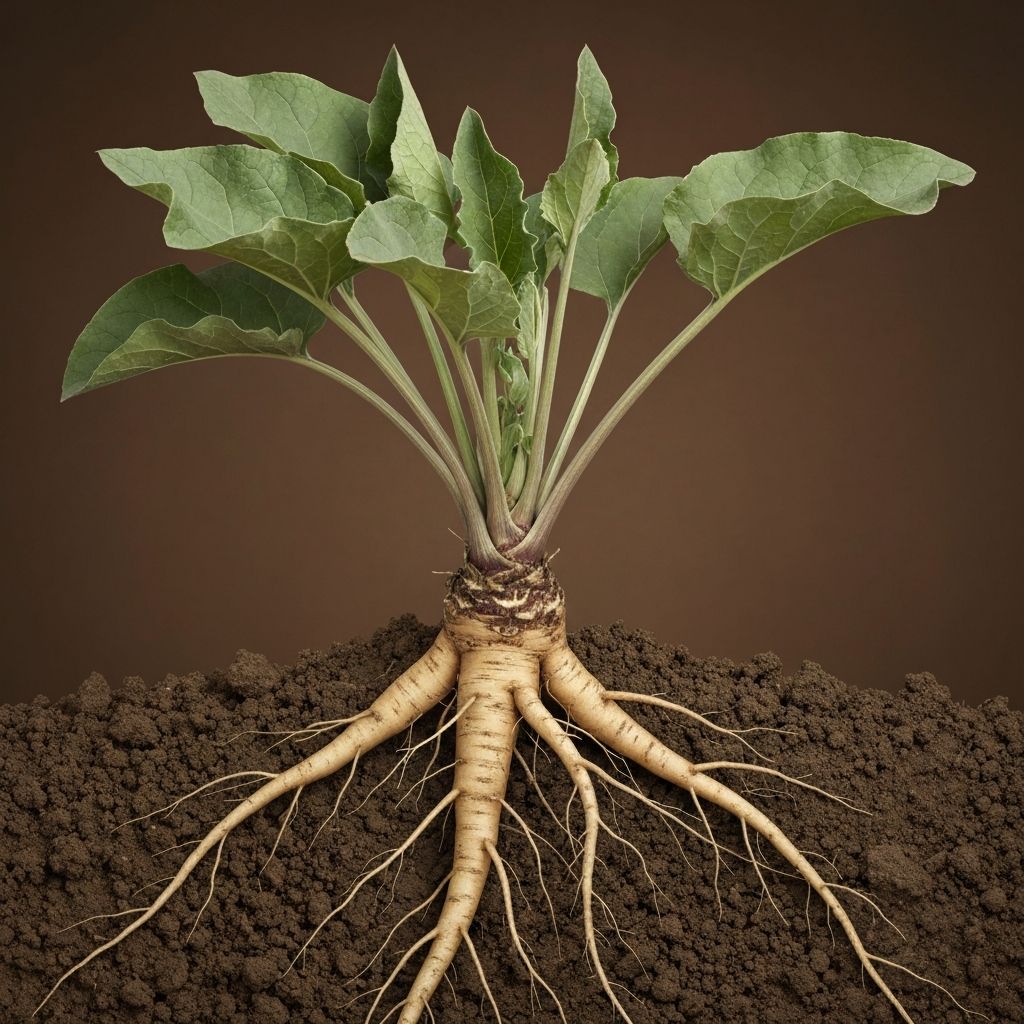
Burdock Root
Arctium lappa grows throughout Alpine regions. Its long taproot contains inulin and has been consumed in traditional cooking and herbal practices for centuries.
Elecampane Root
Inula helenium produces a substantial root historically valued in Alpine and European traditions. Its compound-rich profile makes it a subject of ongoing herbal study.
Angelica Root
Angelica archangelica, found in Alpine regions, produces aromatic roots with traditional significance. Essential oils and saponins characterize its compound profile.
Gentian Root
Gentiana lutea thrives in high Alpine elevations. Its deeply bitter root has supported digestive traditions across European cultures for millennia.
Root Infusion Heritage
The preparation of root-based beverages represents a cultural tradition spanning centuries across Alpine and European regions. Infusions, decoctions, and teas extracted from roots offer a method of accessing their compounds in palatable form.
Traditional preparation methods developed through observation and refinement—understanding optimal water temperatures, steeping times, and plant parts used. These methods represent codified knowledge about extracting beneficial compounds while managing flavor profiles.
Modern beverage culture continues these traditions through herbal teas and specialty infusions, connecting contemporary practices to historical roots knowledge.

Adaptation to Daily Rhythms
Circadian science reveals how organisms respond to regular patterns in daily life—light exposure, meal timing, physical activity, and sleep schedule. These rhythms influence hormone production, metabolism, cognitive function, and general wellbeing.
Men past age 40 may notice shifts in how their bodies respond to these rhythm factors. Understanding this connection supports intentional choices about daily structure rather than reactive adjustment to age-related changes.
The principle applies universally: consistent routines, appropriate light exposure, regular movement, and adequate sleep support physiological function across all life stages. Individual variations require personal experimentation to find optimal patterns.
Root System Seasonality
Alpine root plants exhibit fascinating seasonal adaptations. Root systems strengthen before winter, drawing nutrients downward as above-ground growth slows. Spring brings renewed activity as soil warms and water availability increases.
These patterns reflect plants' responses to environmental signals—temperature, daylight hours, and moisture. Understanding seasonal timing helps explain why traditional harvesting followed specific calendar periods and why root quality varies by season.
Modern cultivation and wildcrafting practices acknowledge these patterns, with harvesting timed to root maturity and optimal nutrient density. The seasonal cycle represents nature's efficiency in directing resources.
Widespread Root Myths Clarified
-
Myth: "Ancient roots are better than modern ones."
Reality: Root quality depends on growing conditions, harvest timing, and storage methods rather than age. Historical use doesn't automatically indicate superior efficacy. -
Myth: "One root can replace diverse nutrition."
Reality: Wellness requires dietary diversity. Roots contribute specific nutrients but don't substitute for comprehensive nutrition from varied food sources. -
Myth: "Alpine origins guarantee superior results."
Reality: Growing altitude influences compound density, but results depend on multiple factors including soil, climate, and individual metabolism. -
Myth: "Traditional use proves safety for everyone."
Reality: Historical use reflects population-level patterns. Individual responses vary based on genetics, health status, and other factors. -
Myth: "More concentrated extracts always mean better results."
Reality: Whole plant compounds work through complex interactions. Concentration doesn't automatically improve outcomes and may introduce other considerations.
Explore Further
Browse our additional educational materials
Wellness for Men 40+
Comprehensive material covering nutrition, movement, rest, and daily habits in the context of maturity.
View MaterialFrequently Asked Questions
Common questions answered with factual, educational information about roots and wellness.
Browse FAQContact & Inquiries
Have questions about our content? Reach out for informational inquiries.
Send InquiryEducational Content Notice
This resource is for informational and educational purposes only. The content provides factual information about root-derived compounds, their traditional uses, and the role of daily habits in general wellness. It does not constitute personal medical advice, diagnosis, or treatment recommendations.
Individual responses to dietary components vary significantly based on genetics, health status, medications, and personal factors. Consult qualified healthcare professionals before making changes to your nutrition or health practices, especially if you have existing health conditions or take medications.
The information presented reflects current scientific understanding and traditional knowledge but should not replace personalized medical guidance. Different individuals require different approaches to wellness.